Ever since I was a little girl, I have loved nature. Animals and plants were my faithful companions. That is why I decided to devote all my energy to caring for, protecting and learning more about the fascinating natural world.
I always wondered how I could achieve these goals effectively, until I discovered the tools offered by citizen science, or science for everyone. With this approach, you can become a researcher of the biodiversity all around you.
It's like being the naturalist in your own home. With a scientific mindset, you gather data and photos and carry out flora and fauna surveys to deepen our knowledge of them and support their protection and conservation.
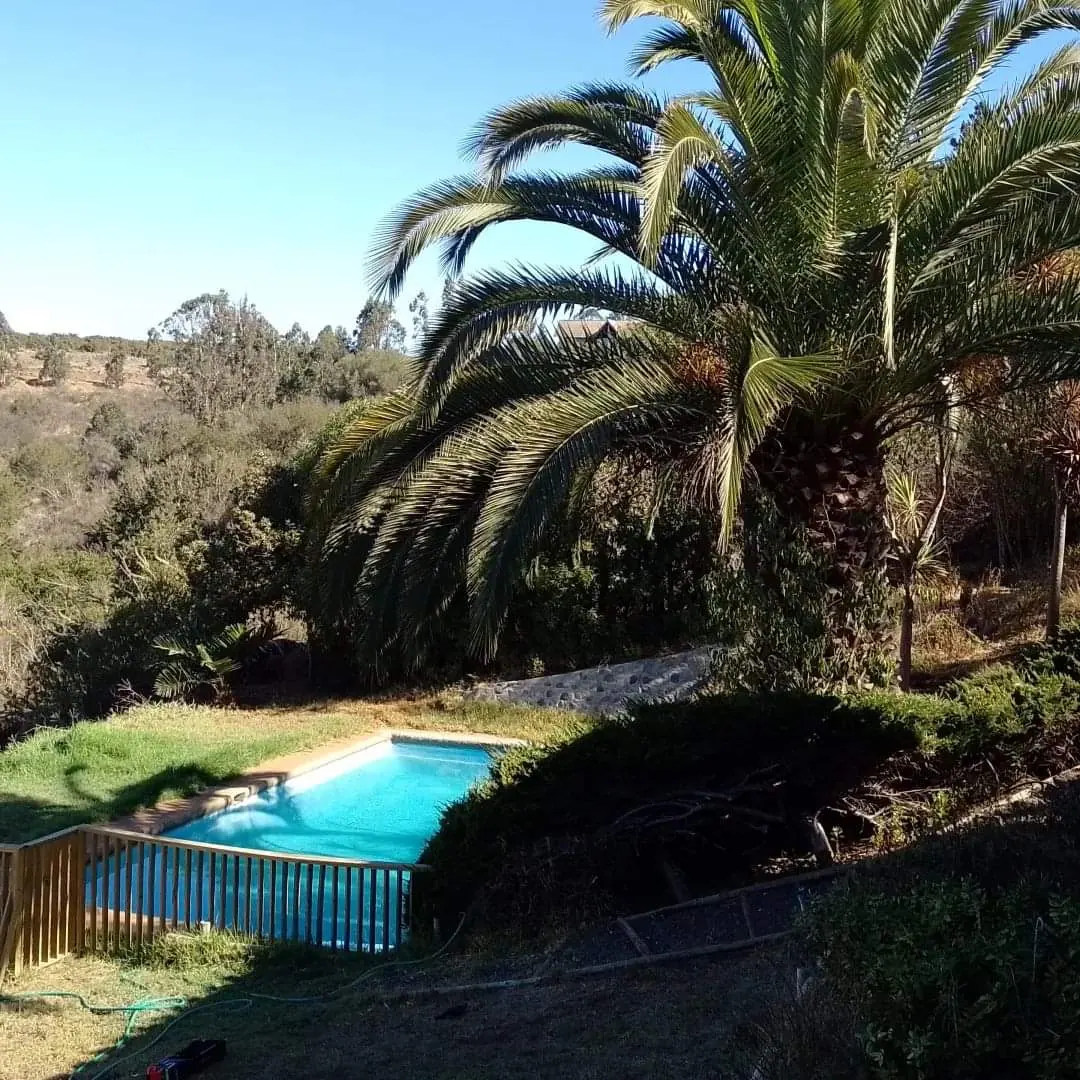
With the visit of biologist and teacher Pablo Malhue Campusano and his students from INCO, we launched biological monitoring at La Casa de la Nueva Poesía, located in the La Princesa area of Santo Domingo.
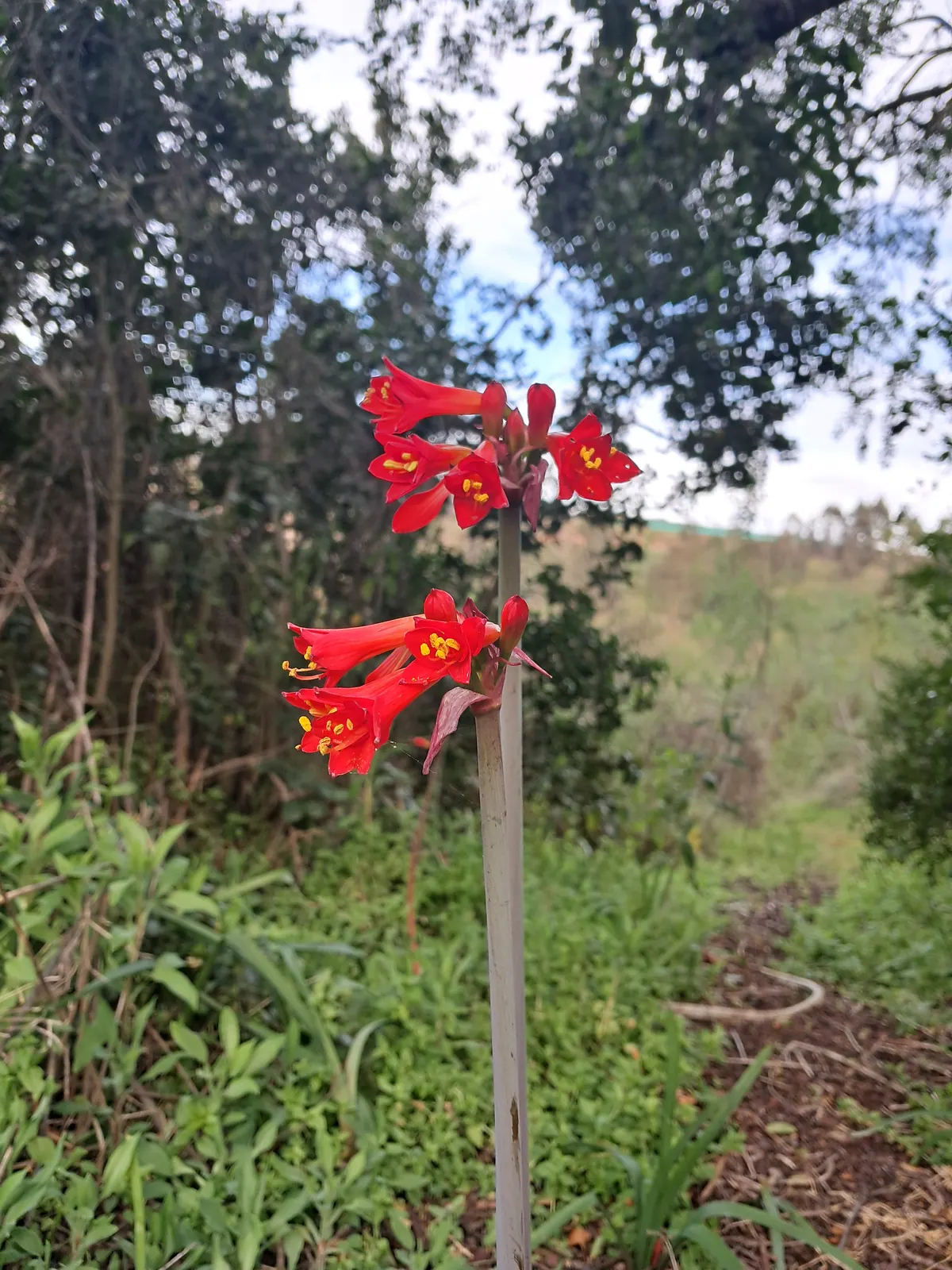
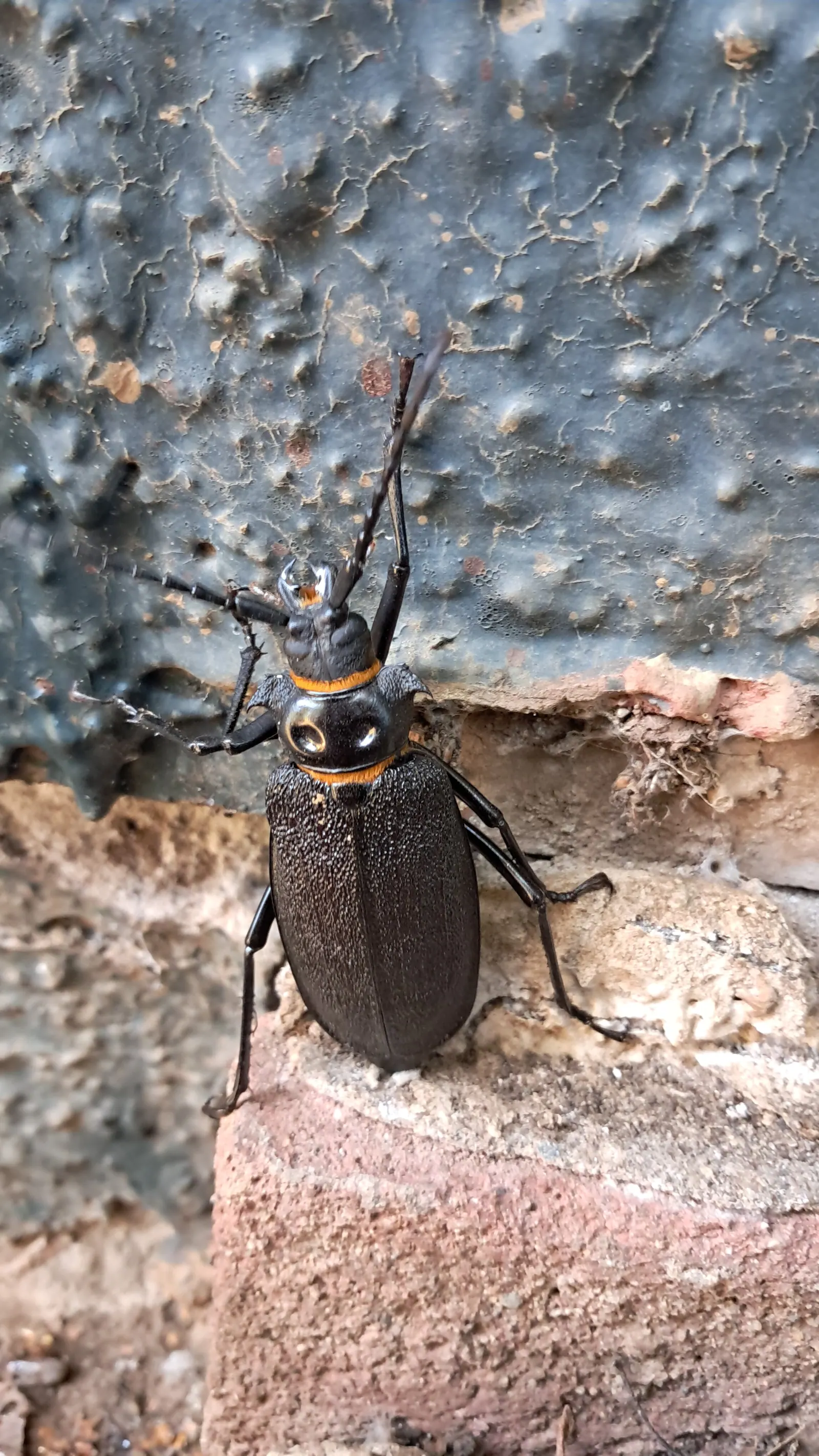
The methodology we learned in the field uses the eBird, iNaturalist and Merlin apps, which make it easy to identify and classify trees, flowers, mammals, reptiles and insects.
All the material gathered during our citizen science sessions is placed on maps with precise coordinates, giving a detailed picture of the natural environment.
The activity was especially rewarding because we are immersed in a remnant of native sclerophyll forest, the most threatened forest type on the planet. Through these citizen science practices, we were able to discover and appreciate the rich natural heritage that shares this place with us.